Net Benefit
What has the Internet ever done for us?
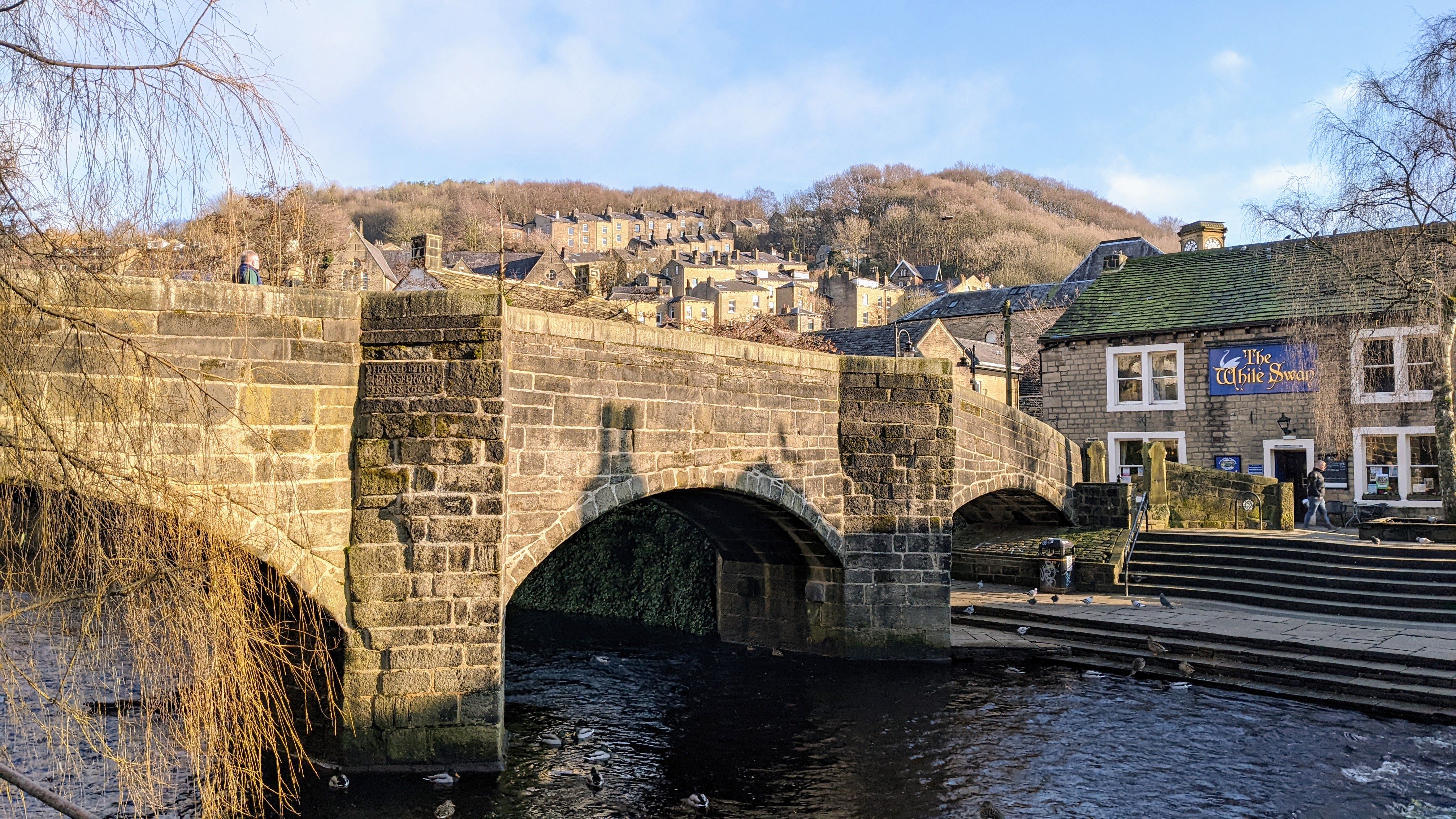
So I moved to Hebden Bridge about 25 years ago. That means I’ve been living in the Calder Valley longer than I’ve lived anywhere else.
When I look back over those years, it’s amazing to me how much things have changed in the valley, how different the people are, and just how sophisticated the whole thing seems now compared to how it was back then.
In those far-off days of 2001, Hebden Bridge was cool, but it was remote. It just felt like being in the middle of nowhere. I remember visiting the Stubbing Wharf for the first time and it was like stepping back into a Dickensian scene (in a good way). A huge traditional Christmas tree, roaring fire, the works. But there was also a sense of being somehow remote and disconnected. It’s hard to remember now but things then were very different, and places like Hebden Bridge were remote in a very real way.
I was chatting to people who didn’t know what the World Wide Web was, never mind fast broadband.
I was at some advantage in those days because before I left London, ( I am originally from York for what it’s worth) I had read numerous news articles talking about how ubiquitous fast broadband was going to be introduced throughout the country. It had already occurred to me that given ubiquitous access to the internet, the best thing to do would be to position myself somewhere that’s really nice to live. By “nice to live,” what I really meant was that I needed to be in the country. I needed access to the hills, the woods and running water.
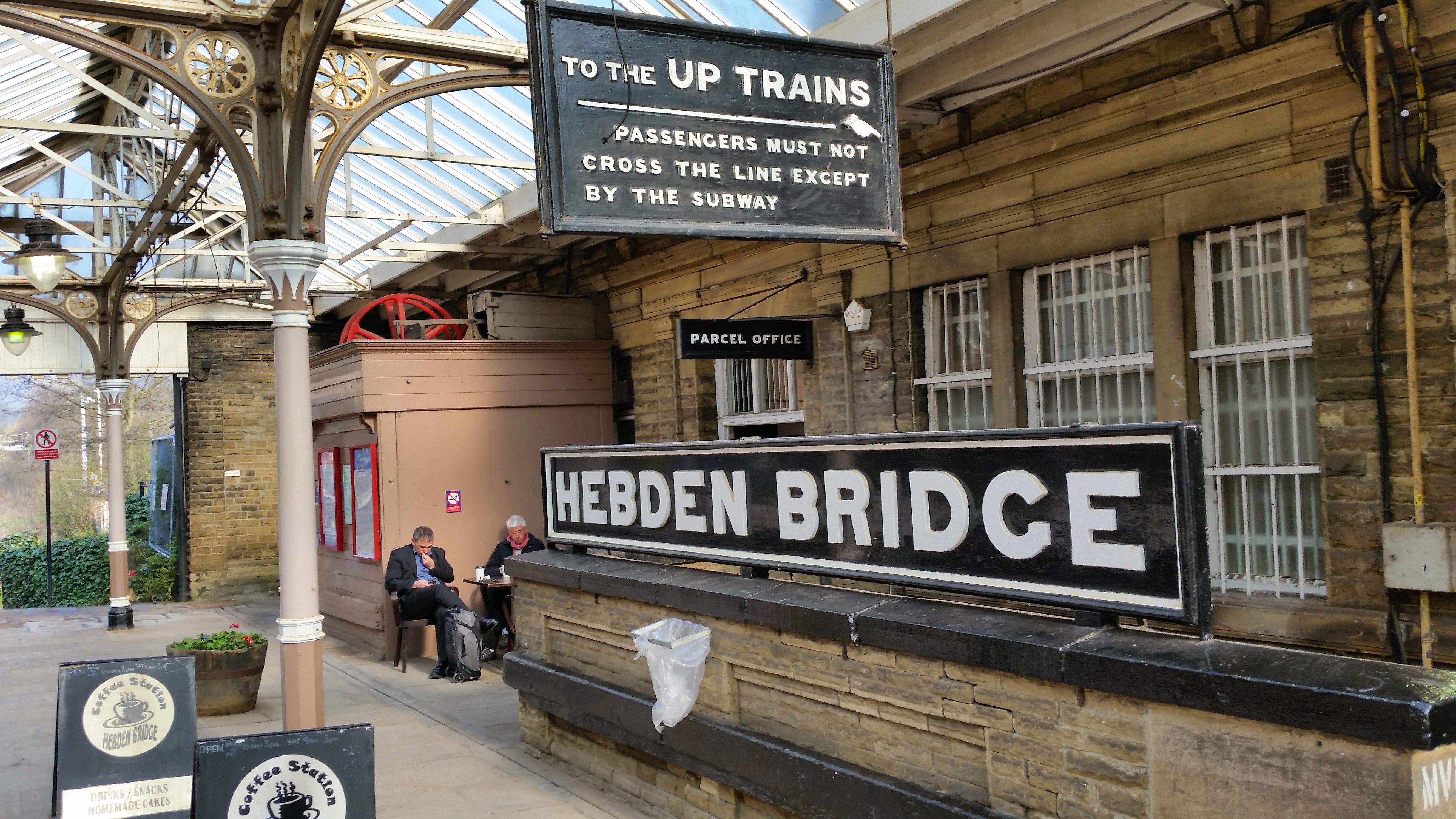
You miss that stuff when you spend a decade in central London. And Hebden Bridge and the Calder Valley have it in spades.
So anyway, I moved to Hebden Bridge and despite the lack of fast broadband I managed to keep working for my old employer in London, building websites and spending my weekends exploring the hills. My dial up modem was enough to keep me connected. I must have been one of the first to be working on this stuff in Hebden Bridge.
Now I know that people reading this are going to think, “Yes, Rob, it’s tw*ts like you that have gentrified the valley and made it hard for people to afford a house there.” But it’s not true, is it?
If we look at the facts on the ground, what’s really happening is that, yes, Hebden Bridge is becoming more and more popular and expensive, but at the same time, people are fanning out to the east and to the west. Places like Todmorden and Sowerby Bridge are suddenly doing much better. They are in fact becoming more desirable to normal people than Hebden Bridge. There are cool restaurants and health food shops. Great local cafes and interesting pubs opening up and down the valley.
An unseen force is driving a lot of this: ubiquitous fast broadband. We’ve had FTTC for ten years, and the FTTP roll-out is happening now. The Calder valley is no longer remote.
People are realising that they can have a great lifestyle living in the hills while still remaining in touch with their friends and their job via the internet and also by the transport links — the M62 and the railway.
Loads of small businesses have sprung up in the time I’ve lived here. Everything from marketing agencies, publishers to bespoke furniture designers. Most are completely dependent on their internet connection.
I can’t pretend that being so well connected to Leeds and Manchester is not also a huge factor because it is.
You might say that some locals find it hard to afford a house in the valley these days, and that’s true. But what’s also true is that a lot of the locals have made a lot of money by offering services like plumbing, building, and all the rest of it to the incomers. Not to mention the pubs, shops and dog walking services.
What’s really happening is that this valley has gone from being relatively poor to relatively well-off and desirable.
I know not everyone feels the way I do about this. Years ago I had the honour of corresponding with the late poet and novelist, Glyn Hughes. Glyn was less taken with the changes that I’m talking about here. In fact he was the leading chronicler of the old days in his fantastic book Millstone Grit. Although an incomer himself, I got the feeling he would have much preferred the dark satanic mills to remain exactly as they were, rather than being converted into flats and offices for trendy marketing agencies. The loss of the traditional textile industry is indeed a tragedy, but one that was already well played out by the time I arrived.
The reality of it (for me at least) is that I can’t imagine anywhere I would rather be, in the UK anyway. There is this famous “mini metropolis” vibe which means you can live in the country (or very close to it), and still maintain a metropolitan experience. Even Halifax is getting cool these days. Yes, it still has problems, but it really is a different place from twenty years ago, and speaking as someone whose wife had a baby in the hospital, it’s one of the friendliest places I have ever experienced.
Could all of this have come to pass without the Internet? Maybe. But the sheer force of the changes that I have witnessed seem very closely bound up with it.
I suppose this is just a long way of saying that when it comes to the Internet, it’s not all bad. In fact, in some ways, it’s actually rather good when you think about it.